9+ curated guides • Updated November 2025
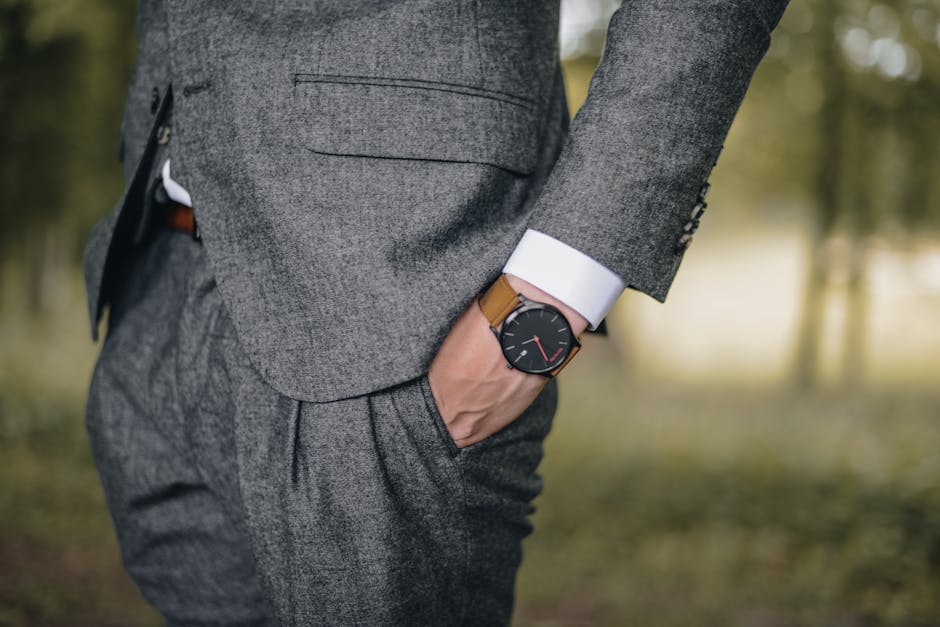
Forget what you know about the thigh belt as merely an edgy or provocative accessory. High-fashion insiders are now wielding it as an architectural tool, a secret weapon for sculpting silhouettes and adding deliberate structure where there was none. This isn't just about adding a detail; it's about redrawing the lines of your entire look. We're witnessing a paradigm shift where accessories are no longer just adornments but active participants in the construction of an outfit. The thigh belt is the vanguard of this movement, a simple strap that holds the power to transform the mundane into the masterfully composed.
That breathtaking marriage jewellery set is the centerpiece of your bridal look, a treasure you've dreamed of. But what happens after the ceremonies end and it's relegated to a velvet-lined box? We're challenging the 'one-day wonder' myth by revealing how to select a stunning bridal set designed not just for the aisle, but for anniversaries, milestones, and every beautiful moment thereafter. The truly discerning bride understands that her wedding jewellery is not a costume for a single performance, but the foundational chapter of a lifelong collection. It’s about commissioning pieces with inherent intelligence and versatility, ensuring the story of your union is woven into the fabric of your future style.
Most people see Jennifer Lopez's engagement rings and talk about carats or cost. We see a crystal ball for the entire diamond market. From popularizing pink diamonds to making green diamonds the new 'it' stone, her choices aren't just personal—they're powerful economic indicators that shape what the world wants to wear. While the media focuses on the romantic narrative, industry insiders watch her hands. Each new ring is not a headline; it's a forecast. In this analysis, we will dissect this phenomenon, treating her jewelry acquisitions as the market-moving events they truly are, offering a unique lens on the mechanics of desire and value in the world of high jewelry.
We've all seen the shocking images of a multi-million dollar mansion consumed by flames. But the real story isn't the disaster; it's what happens after the smoke clears. Faced with a truly blank slate, how do the world's most famous people build not just a new house, but a fortress of resilience and a testament to who they are now? This architectural rebirth, what I call the Phoenix Effect, is more than a construction project; it's a profound act of psychological reclamation. By sifting through the ashes, these individuals are forced to confront their deepest anxieties about safety, legacy, and the very meaning of 'home.' The result is often a structure that is less a statement of wealth and more a suit of armor, meticulously engineered to withstand the next catastrophe while simultaneously healing the trauma of the last.
You've seen it a thousand times, gleaming in a fresh piercing or nestled in a seasoned collection. The simple ball closure ring is so ubiquitous in body modification it's almost invisible. But what if this humble object is more than just a starter piece, but a quiet masterpiece of engineering and a powerful symbol of identity? As a design historian, I argue that to understand the ball closure ring (BCR), you must disregard its context as mere jewelry and analyze it as you would an Eames chair or a Dieter Rams radio. It is a sublime example of industrial design, a self-contained system where form and function are so perfectly fused they become one. It is an artifact that tells a story not of luxury, but of mechanical elegance and subcultural rebellion.
You see a verified celebrity on a dating app and assume they're looking for love just like everyone else. But what if their bio, photos, and even their prompts are less about finding a partner and more about executing a brilliant, subtle PR campaign to rebrand their public image? As a personal branding analyst, I see these profiles not as romantic endeavors, but as the new frontier of reputation management. Forget the carefully staged paparazzi photo or the softball talk show interview; the modern celebrity's most powerful tool for narrative control is a six-photo carousel and a 500-character bio on Raya or Hinge. This is where they can A/B test a new persona, soften a harsh public image, or build a groundswell of relatability—all under the guise of searching for a soulmate. It’s a calculated performance, and we’re all swiping right on the brand.
Most lists just tell you who is from Chicago. We're asking a different question: why? This isn't a coincidence of geography; it's a testament to a city built on cultural incubators—from the legendary stages of Second City to the raw energy of the Steppenwolf Theatre—that systematically forge talent with a specific, undeniable edge. We're not interested in birth certificates; we're interested in the cultural blast furnaces that shape raw talent into something resilient, authentic, and ready for the world stage. This city doesn't just host stars; it manufactures them.
You see the giant '70% OFF!' banner and your pulse quickens. I used to see the internal memo about clearing out last year's models before January. As a former Best Buy employee, I can tell you Cyber Monday is a carefully designed game, and this is your cheat sheet to finally win. It’s not about finding a deal; it's about finding the right deal. Most of what's dangled in front of you is bait—low-quality, stripped-down models made specifically for the sales frenzy. The real treasures are hidden in plain sight, but you have to know the map. Forget the front-page doorbusters. We’re going off-road into the categories and product conditions that corporate hopes you'll overlook while you're mesmerized by a cheap 4K TV with the processing power of a potato. This is the playbook they don't want you to have.
Look back at the bag you carried in 2022. Was it an impractically tiny clutch or a tote big enough to hold your life? That choice was more than a style statement—it was a direct reflection of our collective psyche, torn between a desperate craving for frivolous fun and a deep-seated need for practical security in a post-pandemic world. As a cultural analyst, I observe that accessories are never just accessories; they are artifacts of our time. In 2022, the handbag became the most potent, non-verbal communicator of our internal state. This article unpacks the profound psychological currents that drove the year's most dominant and diametrically opposed handbag trends, revealing a society grappling with its newfound, fragile freedom.